Desert Melodies and Hidden Waters: The Enchantment of Siwa Oasis
November 17, 2025
Updated March 30, 2026
Estimated Reading Time: 12~14 min
The Living Tapestry of Siwa: Ancient Springs and Desert Heartbeats
Nestled deep in Egypt’s Western Desert, Siwa Oasis feels like a world apart — a quiet, timeless place where water seeps from the earth in more than two hundred hidden springs, where dunes hum in the wind, and where the music of the desert seeps into the soul. Here, travellers discover not just an oasis, but a living tapestry of natural wonders, spiritual history, and healing waters.
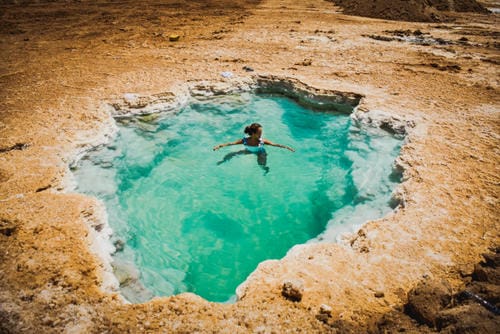
Siwa’s network of springs is extraordinary: some warm and bubbling with minerals, others cool and refreshingly pure. Scholars estimate around 230 natural freshwater springs and over a thousand wells feed the life of Siwa. The springs emerge from deep limestone aquifers, forced upward by the geology beneath the desert, creating a unique and fragile ecosystem.
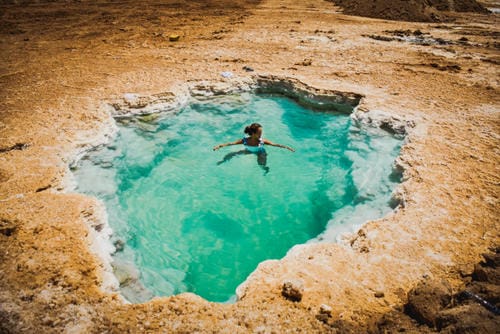
One of the most celebrated is Cleopatra’s Spring, also known locally as Ain Juba or Ain Guba. Legend holds that Cleopatra bathed here, though historians note that the connection is more touristic than factual. Still, the warmth and clarity of its waters — nestled among palm trees near the ruins of Shali Fortress — evoke an otherworldly serenity. Visitors wade into a stone-lined pool where soft bubbles rise, immersing themselves in a tradition of renewal that links them to centuries past.
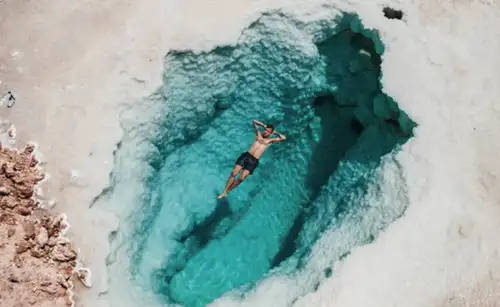
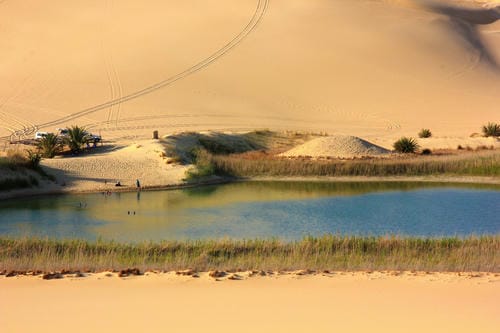
Beyond Cleopatra’s Pool lies Bir Wahed, about fifteen kilometers southwest of Siwa. Here the contrast is striking: a freshwater spring sits side by side with a hot sulphur spring, emerging almost miraculously from the dunes of the Great Sand Sea. The hot spring, rich in sulfur, is said to have therapeutic powers — locals and visitors alike soak in its warm waters after a desert safari, turning the barren landscape into a natural spa.
Then there is Kivar (or Kegar) Spring, known for its mineral-rich, sulphurous water, reputed to help with skin conditions like psoriasis or arthritis. In fact, some studies have compared Kivar’s healing properties to those found in famous European spa towns like Karlovy Vary. The temperature of the water here can reach up to 67 °C (152 °F), making it powerful but also carefully respected by those who bathe there.
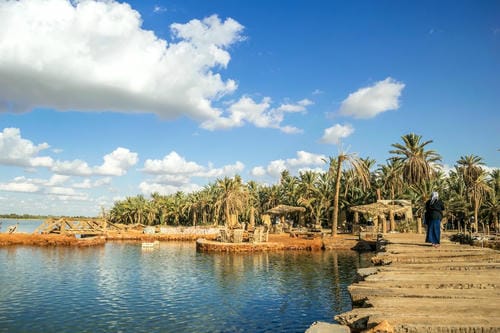
Even more enchanting is Fatnas Spring, situated on a little island in one of Siwa’s salt lakes. The name “Fatnas” or “Fantasy Island” fits; palm trees and lush greenery encircle a calm pool that seems like a mirage in the salt flats. As dusk falls, visitors sometimes sit at a tiny café tucked into the palms to sip tea and watch the sunset — the salty lake glows in the golden light, reflecting the desert sky in surreal pastel hues.
Water is life here, and Siwa’s springs are more than just geographic features — they are part of the heartbeat of daily life. Some springs are free and wild, tucked into remote dune landscapes. Others are framed with stone basins and simple amenities, making them accessible for soaking and rest. The pure air of the desert, combined with mineral-rich waters, has made Siwa a quiet destination for wellness seekers; locals believe in the springs’ ability to heal skin ailments and respiratory issues. Researchers have even documented therapeutic sand from nearby dunes — people bury themselves in it during summer months, claiming relief from rheumatism and digestive illness.
Desert Jazz: Culture, Sound, and the Spirit of Siwa
Siwa’s springs are only part of its magic. Equally compelling is the cultural rhythm that pulses through its oases and dunes — what one might call its “desert jazz.” Life here is deeply rooted in tradition, from ancient temples to local festivals, from the echo of sand dunes to the strumming of traditional instruments.
The heart of Siwa’s spiritual landscape lies in the Temple of Amun, or the Temple of the Oracle, perched near Siwa town. This sanctuary dates to the 6th century BCE, and is a place of myth and power: Alexander the Great is said to have journeyed here to consult the oracle and affirm his divine lineage. The temple ruins still invite quiet reflection — flanked by date palms, framed by desert sky, and surrounded by gentle gusts that carry whispers of ancient prayers.
Dominating the oasis landscape is Shali Fortress, a fortress-town built from karshef — a mud-and-salt mixture — that rises like a salt-clay citadel above the palm groves. Its crumbling walls and maze of alleys feel suspended between past and present, especially at sunset, when the fortress glows warmly and the winds stir like a soft drumbeat.
Siwa’s people contribute their own harmony to this desert song. They are Berber (Amazigh) in heritage, speaking the Siwi language, and preserving cultural practices that feel ancient yet alive. Their music — played at weddings, seasonal gatherings, and festivals — is woven into daily life. According to local guides, Siwan weddings are spectacles of singing, communal feasting, and dance, where traditional instruments echo under stars.
One of the most vibrant celebrations is the Sebou festival, held every year at Mount Dakrour. Siwans gather to honor the Amazigh New Year, participating in purification rituals at freshwater springs, singing, and dancing until dawn. The festival’s energy is like desert jazz — raw, improvisational, deeply rooted in the land.
During quiet nights, the desert’s ambience becomes its own music. Crystal-clear skies offer stargazing overhead, while the breeze brushes across dunes and palms, creating a soft pulse that soothes the spirit. Visitors sometimes combine stargazing with a soak in a hot spring — the hot, mineral-rich water warming their skin while the wind hums a lullaby.
In Siwa, the natural world and human tradition are inseparable. The salt lakes and springs are not just water features; they’re gathering places, story-keepers, and spaces for healing and spiritual renewal. The desert is not merely empty; it is alive and humming with the sound of footsteps, voices, and whispering sands.
Stepping into Siwa is like walking into an old recording of the desert itself — one that resonates with history, water, and a music that never truly fades. Whether floating in a sulphur spring, wandering through palm groves beside ancient walls, or letting the wind carry you into silence under a sky full of stars, Siwa offers a rare chance to slow down, listen, and feel the desert sing.
Post by Elena Torres
Sources:
https://www.gonomad.com/2191-siwa-oasis-egypt-visiting-an-ancient-oracle
References:
https://visitegypt.com/hot-springs-in-siwa/
https://ijhth.journals.ekb.eg/article_27862_56256b555ab96738c79b3a5f6a190b18.pdf
https://www.memphistours.com/egypt/egypt-wikis/oases-and-the-western-desert/wiki/siwa-oasis
https://iegypttravels.com/blog/siwa-oasis
The journey isn’t over—more hidden gems await inside our blog!