Where the Day Begins: A Dawn-Lover’s Journey to Tairāwhiti
November 18, 2025
Updated March 29, 2026
Estimated Reading Time: 14~16 min
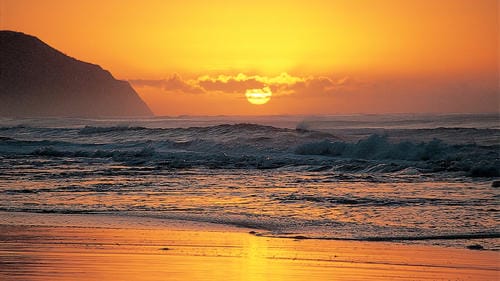
There’s something quietly magical about Tairāwhiti, New Zealand. Known to many simply as the Gisborne or East Coast region, this slice of the North Island greets the sun earlier than almost anywhere else in the country. It’s in this place—steeped in Māori heritage, untamed coastline, and a slow-moving rhythm of life—that travelers can truly tune into the first light. For the kind of adventurer drawn to whispers of ancient stories and the majesty of untouched horizons, Tairāwhiti offers a sunrise pilgrimage that feels both sacred and personal.
Dawn on the East Cape: First Light and Sacred Ground
One of Tairāwhiti’s most profound draws is its claim as among the first places in the world to see the sunrise. That quiet privilege is deeply rooted in both geography and Māori tradition.
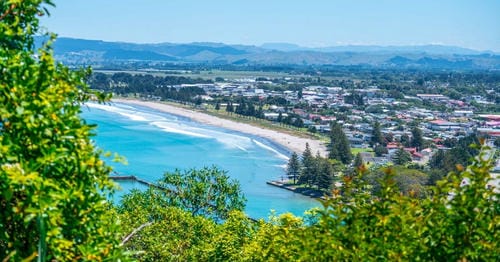
From Kaiti Hill (also known as Titirangi), visitors can climb to a vantage point and witness the day break over Poverty Bay and the Pacific Ocean. [1] This hill holds deep significance: at its base lies the Cook Landing Site National Historic Reserve, marking where Captain James Cook first set foot on New Zealand soil in 1769, and at its summit are lookouts giving panoramic views. For locals, and for many visitors, watching the sunrise here is more than a beautiful moment—it is a ritual, a symbol of beginning and renewal.
Another unforgettable way to greet the sun is from the peak of Maunga Hikurangi, sacred to the Ngāti Porou iwi. Guides who lead sunrise treks to the summit often speak of the mountain’s deep spiritual resonance. As the first rays of dawn stretch across the sky, the landscape feels charged with generations of story and meaning. [2] In Māori cosmology, the coming of daylight—te ao mārama—represents knowledge, clarity, and the movement from darkness into light.
Tairāwhiti’s geography makes this sense of first light feel especially powerful. Its easternmost position on the North Island means that, quite literally, it is at the frontline of every new day.
Guided sunrise tours up Hikurangi offer more than a spectacular morning — they offer a connection to stories that have shaped the land for generations. The mountain is regarded not only as a natural monument, but as a living symbol of identity, spiritual connection, and continuity.
Driving along the East Cape Road is a pilgrimage of its own. While the East Cape Lighthouse is currently closed to walkers, the coastal drive remains open, offering sweeping views out to sea, jagged cliffs, and isolated bays. Here, light spills over the horizon in slow, warm layers, as if pausing just long enough to breathe before illuminating everything. The ancient pōhutukawa tree known as Te Waha o Rerekohu adds further gravitas to this corner of the world, its twisted limbs and gnarly trunk having witnessed centuries of dawns.
In the small settlement of Te Araroa, dawn arrives with soft music—stories told by the waves and the wind. It’s here that Māori tradition, nature, and memory come together, grounding visitors in a sense that this place matters not just to those who live here, but to the broad arc of history. Every sunrise feels steeped in meaning, reminding you that you are witnessing something older than you, yet ever-renewed.
Quiet Majesty on Land and Sea: Exploring Tairāwhiti After Sunrise
Once the sun rises, Tairāwhiti unfolds in full richness. The region’s natural attractions are a gentle mix of adventure, serenity, and deep cultural resonance. One of the best-loved routes is the Tupapa Heritage Trail, which winds from the waterfront of Gisborne up through Titirangi/Kaiti Hill. Along the way, self-guided audio markers tell the story of Māori voyaging, settlement, and early European encounters. The trail climaxes at Kaiti Hill, where panoramic views overlook Turanganui River and the bay, offering a perfect vantage point for morning reflection.
For those craving an adrenaline rush, the Rere Rockslide is a must. This natural waterslide, carved out of river rock, is about 60 meters long. You can choose to whiz down on a bodyboard for speed, or gently float in a tire tube if you’re after something more relaxed. The pool at the base is deep—around four meters—so swimming ability is essential, but the exhilaration is unlike anything else.
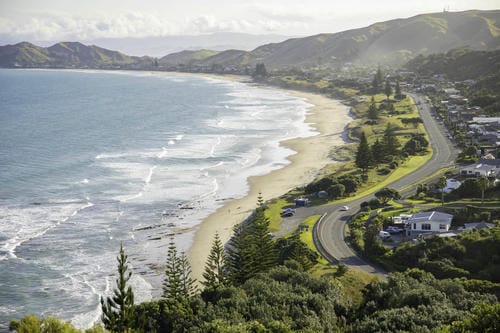
The coastline itself is a surfers’ and beach-lovers’ dream. Tairāwhiti boasts over 270 kilometers of shoreline, and beaches like Wainui and Makorori are particularly renowned. Wainui Beach, in particular, is prized for its consistent surf breaks, attracting both seasoned surfers and beginners alike to ride in the early dawn or in the golden light of late afternoon. For a slower-paced stretch of sand, Tolaga Bay offers a serene escape. Its historic 660-meter-long wharf is one of the longest in New Zealand, stretching into the sea like an invitation to dream.
Between wave chasing and trail walking, you might take a quieter turn inland to the National Arboretum at Eastwoodhill. This 131-hectare reserve is a rich tapestry of native and exotic flora, with peaceful walking paths that feel like wandering through a living sketchbook.0 On any given morning, you might spot birds flitting through the trees, or simply absorb the scent of wet foliage and fresh earth.
A road trip along State Highway 35, which snakes up and down the East Cape, offers moments of discovery around every bend. Visit Tikitiki to see ornate Māori carvings and the famed Anglican church, or head toward Tolaga Bay to linger on the wharf at sunset. Out here, the roads feel like a meditative journey, not a means to an end.
Cultural exploration is woven into every part of Tairāwhiti. Back in Gisborne, the Tairāwhiti Museum and Art Gallery offers a profound window into the region’s past. Inside, exhibits like “Watersheds” and the C Company memorial house highlight Māori heritage, maritime histories, and the lives of those who served in times of war.1 The museum also celebrates remarkable architecture—its structure is an invitation to pause, reflect, and understand.
For those interested in spiritual sites, there are many marae (Māori meeting houses) throughout Tairāwhiti—about 62 in total. Notably, Rongopai Marae, with its painted wharenui (meeting house), is an artistic and ancestral treasure that captures genealogies and stories in its carved structure.
Tourists who time their visit right can coincide with the Te Tairāwhiti Arts Festival, a celebration of storytelling, dance, music, and the East Coast’s living voice. The festival underscores how creativity and place are deeply intertwined here, reinforcing the strong relationship between place and narrative.
When hunger calls, Tairāwhiti does not disappoint. In Gisborne, cafés, eateries, and vineyards invite you to sit back and savor local flavors. Fresh kai moana (seafood), boutique wines, and seasonal produce are part of the rhythm here.2 There’s comfort in simple things: a slice of locally made bread, a cup of coffee, or just lingering over a glass of wine as the day brightens.
If you want to stretch your legs, consider cycling parts of the Motu Trails. These paths wind through native bush, farmland, and forested ridgelines, offering glimpses of hidden landscapes and the slower, steady rhythm of East Coast life.
Tairāwhiti is a place that doesn’t shout. It whispers. It invites you to rise early, to watch the horizon, to feel rooted in a story bigger than yourself, and to move slowly through land that carries both memory and potential. In every sunrise here, you’re not just seeing a beginning — you’re participating in one.
Post by Darius Grant
(Travel conditions, visas, entry requirements, and restrictions can change without notice. The author is not responsible for complications arising from changes in travel policies or events beyond their control.)
Sources:
[1]: https://tairawhitigisborne.co.nz/plan/destinations
[2]: https://trusttairawhiti.nz/assets/Resources/TAIRAWHITI-CRUISE-DEVELOPMENT-PATHWAY-FA-ONLINE.pdf
References:
https://www.newzealand.com/ca/tiarawhiti-gisborne-natural-attractions
https://www.airnewzealand.com/destination-gisborne-history-culture
https://teara.govt.nz/en/east-coast-region/print